Last checked November 2026
Savannah's fence rules live in Sec. 9.6, Fences and Walls, of the city's zoning ordinance, the code that took effect September 1, 2019, plus a one-page city bulletin on permits. Here is what they say, and how the rules change once you cross into Pooler, Port Wentworth, Garden City or unincorporated Chatham County.
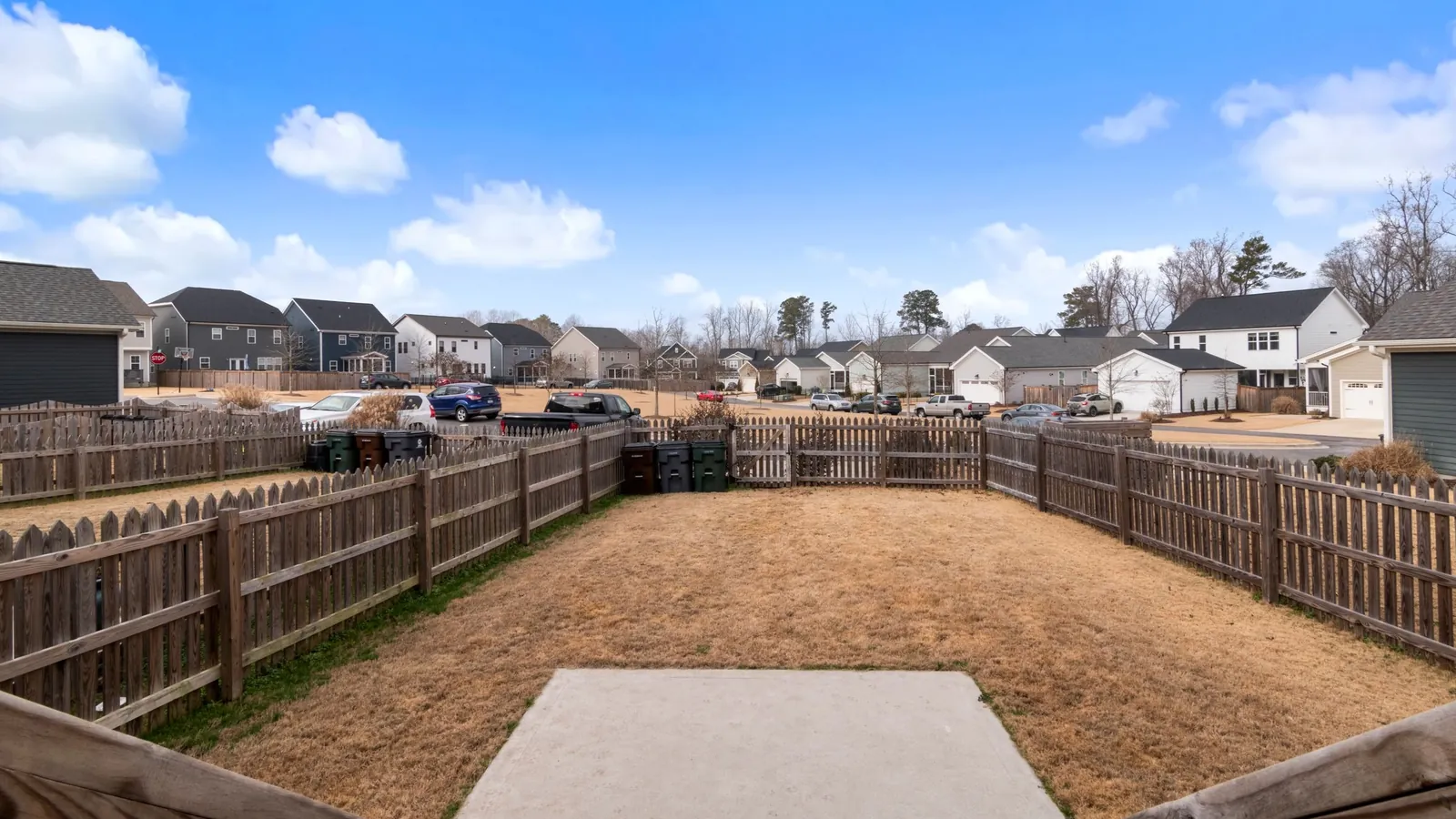
Do you need a permit inside Savannah?
For most backyard fences, no. The City of Savannah's fence bulletin says a wood or chain link fence needs a city fence permit only if it stands over 7 feet tall. Any masonry or concrete fence, or any fence built on a footing, needs a permit at any height. The city's permit list also puts a fence or privacy wall over 7 feet on the list of projects that need a building permit with plans.
A permit exemption doesn't exempt the fence from the zoning rules. Height, placement and materials still apply, and a fence that breaks them can draw a code complaint.
Height limits by yard
- Front yard, or a street side yard ahead of the front of the house: 4 feet.
- Front yard with an open design: up to 6 feet to the top of the posts if the part above 3 feet stays at least 70 percent open.
- Rear yard, interior side yard, or a street side yard behind the front of the house: 8 feet.
- Savannah measures height from finished grade to the top of the fence, not counting posts. Posts smaller than 6 by 6 inches can rise 1 foot above the limit, and larger posts can rise 2 feet.
Placement, materials and the finished side
The fence has to sit on your own land. The city points owners to a Georgia land surveyor or an existing survey to find where the street right of way ends, and warns that a fence on an easement may have to come down at the owner's cost. The city also asks that fences let rainwater flow through, or use breakaway panels, so a fence doesn't flood your yard or a neighbor's in a storm.
Savannah's code lists the materials it allows, among them wrought iron, extruded aluminum, brick, stucco, composite, vinyl and decay resistant wood at least 5/8 inch thick. Chain link works for single family and two family homes. The finished side of the fence must face the neighbors or the street.
Corner lots
On a corner lot, keep the sight triangle clear. It runs 40 feet along each street line from the corner, and nothing may stand between 3 and 10 feet above the road surface inside it. A low fence under 3 feet or a fence set back outside the triangle avoids the problem.
Historic and Victorian Districts
A new fence or wall in Savannah's Historic or Victorian Districts needs approval from the city's historic board, and so does a change of material on an existing one. The MPC design manual says to get the Certificate of Appropriateness in hand before work starts, even when no building permit applies.
In the Downtown Historic District, fences can't exceed 11 feet, can't sit in front of the house except on certain set back lots, and top out at 48 inches in a front yard where allowed. Street facing fences must match the house's material and color, and wood fences need paint or stain. In the Victorian District, front yard fences top out at 36 inches, side and rear fences behind the house front can reach 8 feet, and chain link and vinyl aren't allowed.
Next door: county, Pooler, Port Wentworth and Garden City
- Unincorporated Chatham County: no fence or wall may go up without a building permit. The permit application asks for a site plan, construction drawings, post spacing, height and post depth, plus health department sign-off on lots with a septic tank.
- Pooler: a permit for every fence, a survey or approved site plan with the application, and a 6 foot cap on residential fences.
- Port Wentworth: 4 feet in front yards, 6 feet in side and rear yards, an HOA letter with the permit and an inspection at the open post holes.
- Garden City: a permit for anything over 3 feet, no fences in front yards and a 6 foot cap in side and rear yards.
Before the crew digs
Georgia 811 asks for a dig ticket at least 3 business days before digging, and the service is free. Utilities get at least two full business days to mark their lines. A ticket covers 30 calendar days, and diggers must take care within 18 inches of either side of a marked line. Georgia's law covers powered augers that set fence posts, so most fence crews file the ticket themselves. Ask the pro to confirm.
Sources
- City of Savannah, Fence Requirements bulletin (revised 6-11-26)
- Savannah Zoning Ordinance, Sec. 9.6 Fences and Walls
- Savannah Zoning Ordinance, Sec. 4.2 sight triangles
- Savannah Zoning Ordinance, historic district standards
- City of Savannah, residential permit list
- MPC, Savannah Historic District design manual
- Chatham County zoning ordinance, Section 5
- Pooler Code of Ordinances, Sec. 22-112
- Port Wentworth fence permit checklist (July 2024)
- Georgia 811, the 811 process
- Georgia 811, the law